


Stationary compactor vs selfcontained compactor
How to choose the right compactor for your business
Stationary and selfcontained compactors are both designed to reduce waste volume, but they differ in design and intended use. Selecting the ideal waste compaction solution depends on several factors — from the type of waste your business generates to space availability, waste volumes, hygiene needs, and collection frequency.
- A stationary compactor is fixed on site and compresses dry waste—such as cardboard or plastic—into a separate container that’s detached and hauled away when full. It’s ideal for businesses with high volumes of dry waste and space for a permanent setup.
- A selfcontained compactor combines a press unit and container in one sealed machine. It’s perfect for wet or mixed waste, as it prevents leaks and odours, and is collected in full when ready for emptying.
Understanding these differences helps you choose the right compactor for your facility, waste type, and collection setup.
Types of compactors
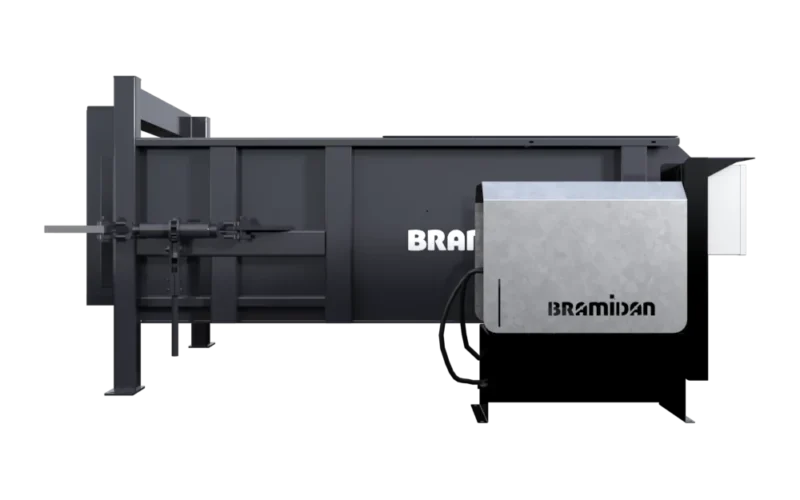
Stationary compactors
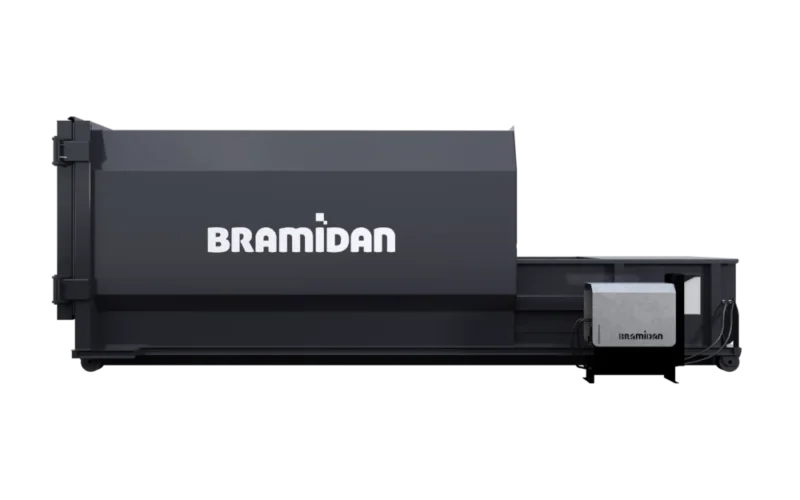
Selfcontained compactors
When to Choose a Stationary Compactor:
What is a stationary compactor?
A stationary compactor is a high-capacity, fixed-position compaction unit designed for dry, bulky waste such as cardboard, shrink wrap, paper, and general packaging. It consists of two separate components: the press unit, which remains bolted to the ground, and a detachable container that is hauled away when full.
Key features of stationary compactors
- Fixed installation: The press unit stays permanently on-site, connected to power and integrated into your facility’s layout.
- Separate container system: Only the waste container is removed during pickup, allowing compaction to continue uninterrupted.
- Ideal for dry waste: Perfect for dry, low-moisture fractions such as cardboard, paper, and soft plastic.
- Scalable capacity: Available in multiple container sizes and press configurations to suit small businesses and large-scale industrial applications alike.
When to choose a stationary compactor
Stationary compactors are the optimal choice for:- Sites with consistent high volumes of dry waste
- Businesses with space to accommodate a large container area
- Facilities looking to reduce transport frequency and collection costs
- Operations where hygiene and odour control are less critical
Stationary compactors
Wet Waste Generators – Businesses like restaurants, food processors, or supermarkets that produce significant volumes of wet waste will benefit from self-contained compactors. The all-in-one design minimizes the risk of leaks.
Space Constraints – If you’re short on space, consider a self-contained unit. With its integrated design, there’s no need to account for a separate container.
Minimal Waste Transportation – The compacted waste remains in the unit until it’s full, which means less frequent waste transportation and potentially lower hauling costs.
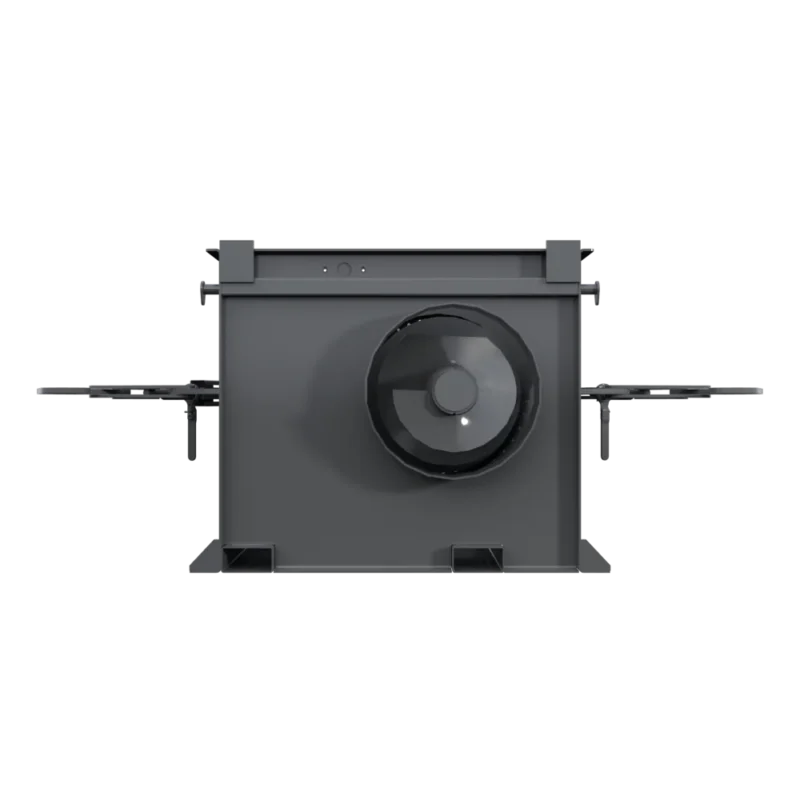
SPN
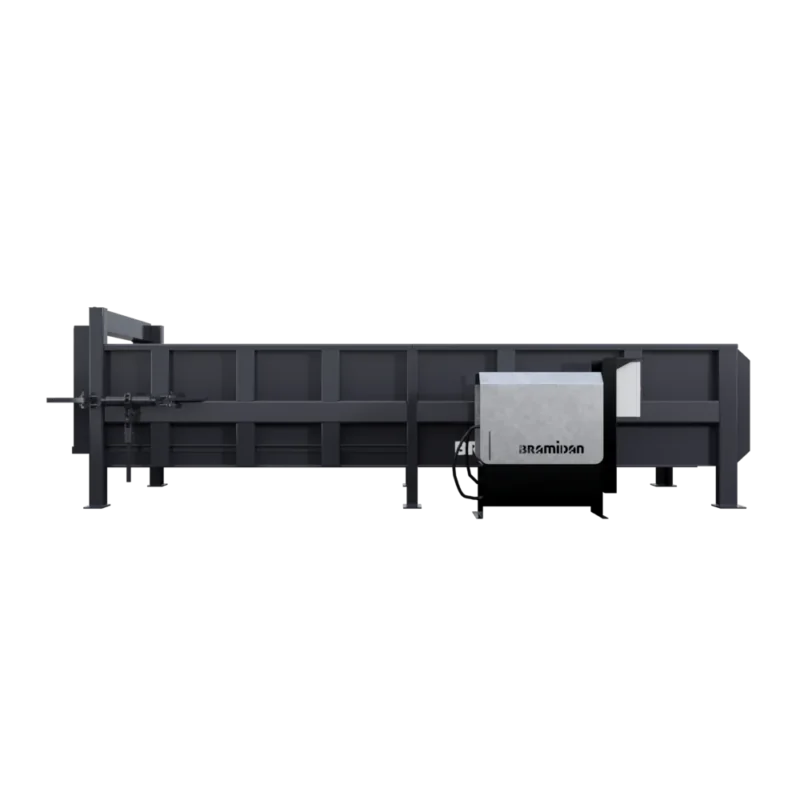
Bramidan ST 4
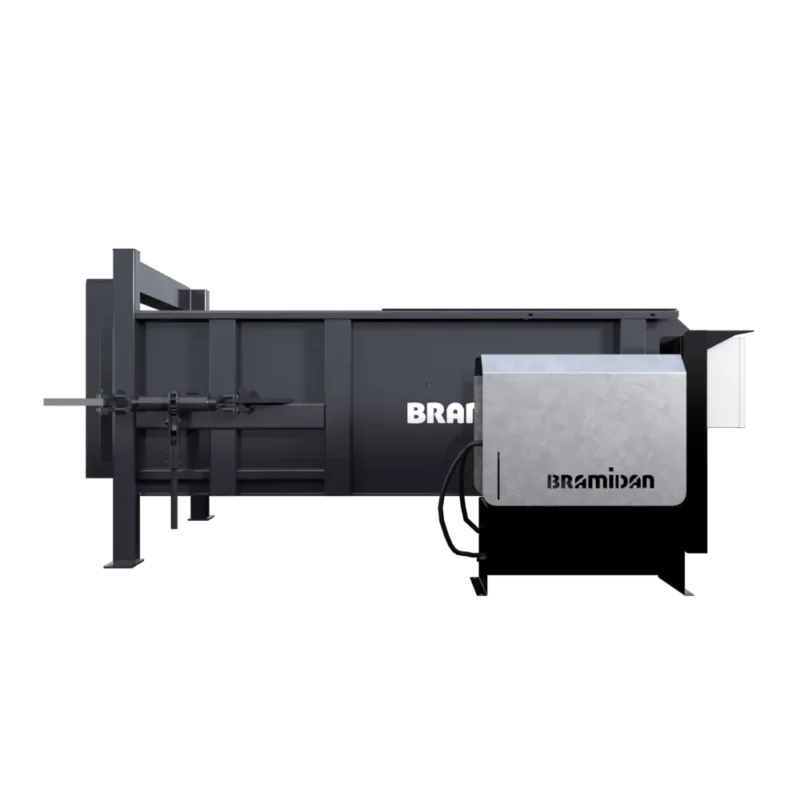
Bramidan ST 2
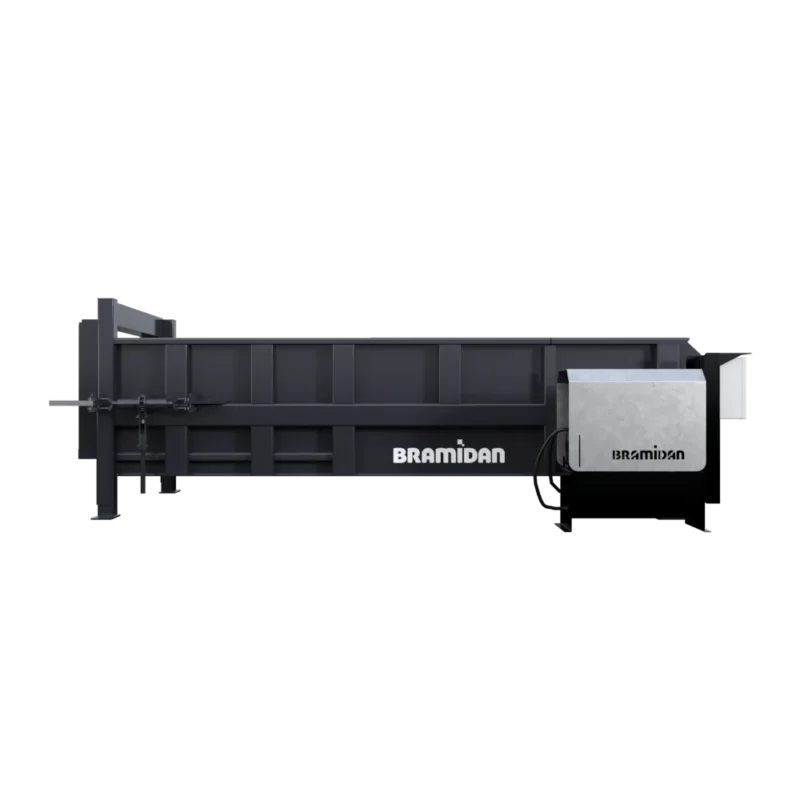
Bramidan ST 3
What is a selfcontained compactor?
A selfcontained compactor integrates both the press unit and container into a single enclosed system. These compactors are particularly suited to waste streams containing wet waste like liquids or organic residue. When full, the entire unit is transported for emptying and returned to the site.
Core characteristics of selfcontained compactors
- Integrated unit: The compactor and container form one sealed system.
- Leak- and odour-resistant: Designed for hygienic handling of wet or mixed waste.
- Compact design: Efficient use of space makes mobile compactors ideal for sites with limited room.
- Plug-and-play installation: Quick setup without structural modifications.
When to choose a selfcontained compactor
A selfcontained compactor is often the preferred solution when:
- Wet or organic waste is present (e.g. food processing, hospitality, healthcare)
- Hygiene and containment of liquids and odours are key
- The site has limited space or must frequently relocate equipment
- Flexibility is needed for temporary or seasonal waste generation
Selfcontained compactors
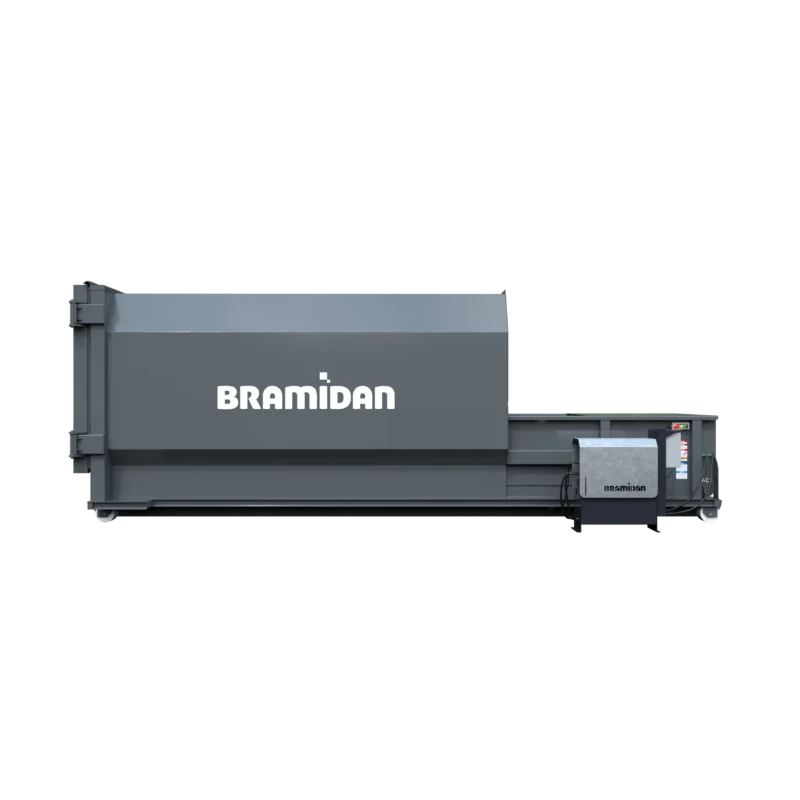
Bramidan SC 30
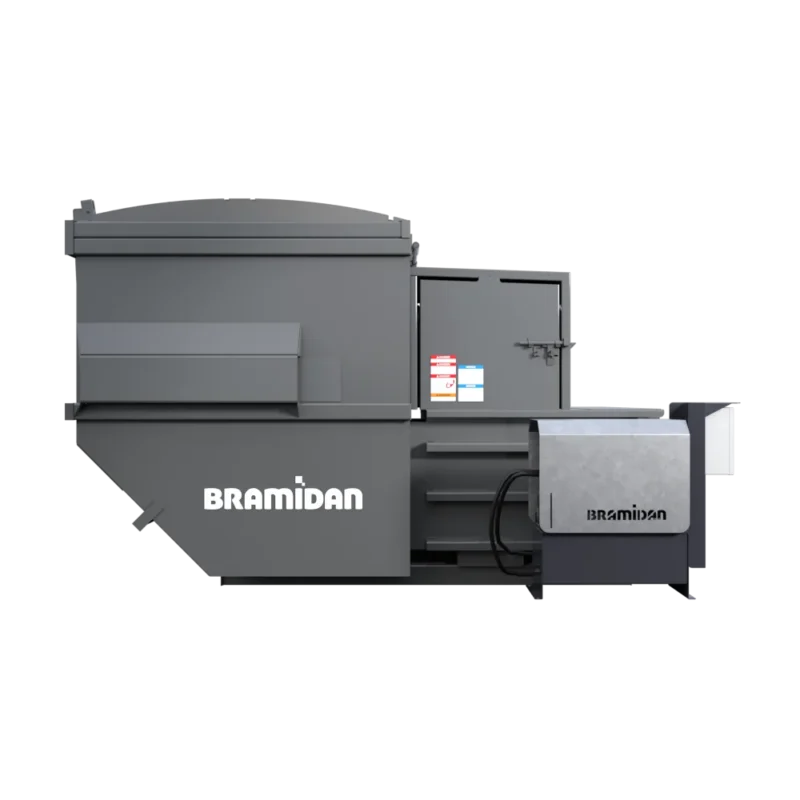
Bramidan SC 6
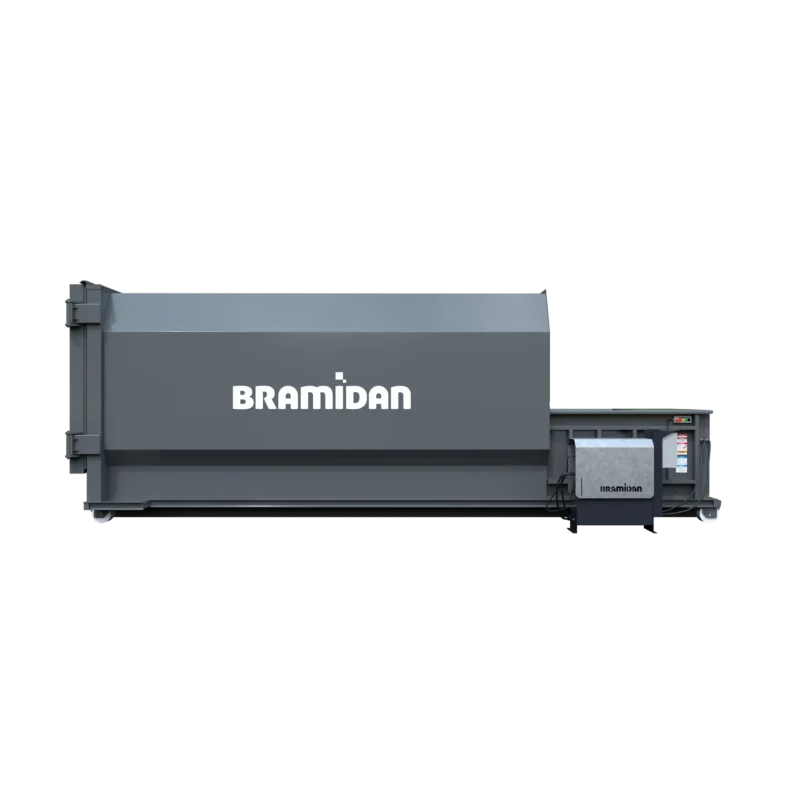
Bramidan SCX15-39
Stationary compactors vs selfcontained compactors


Location and mobility
Stationary compactors:
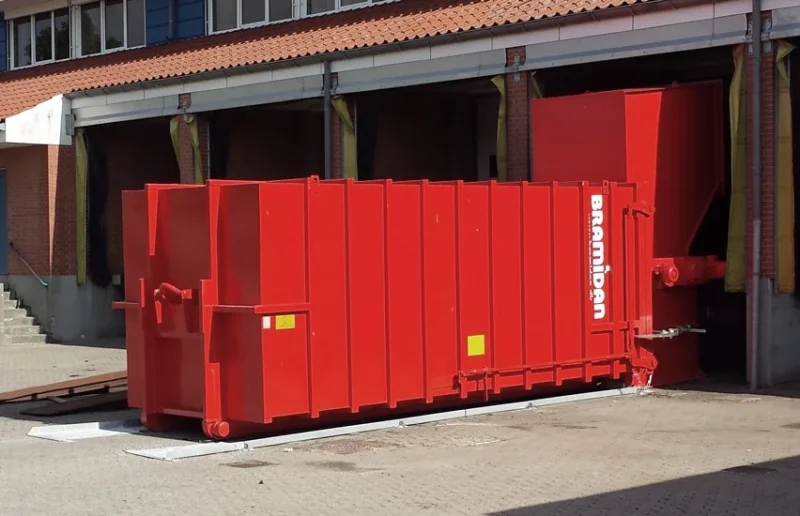
Fixed in one place, ideal for permanent installations with predictable waste flow.
Selfcontained compactors:
Relocatable, ideal for changing waste stations or flexible operations.
Hygiene and odor control
Selfcontained compactors:
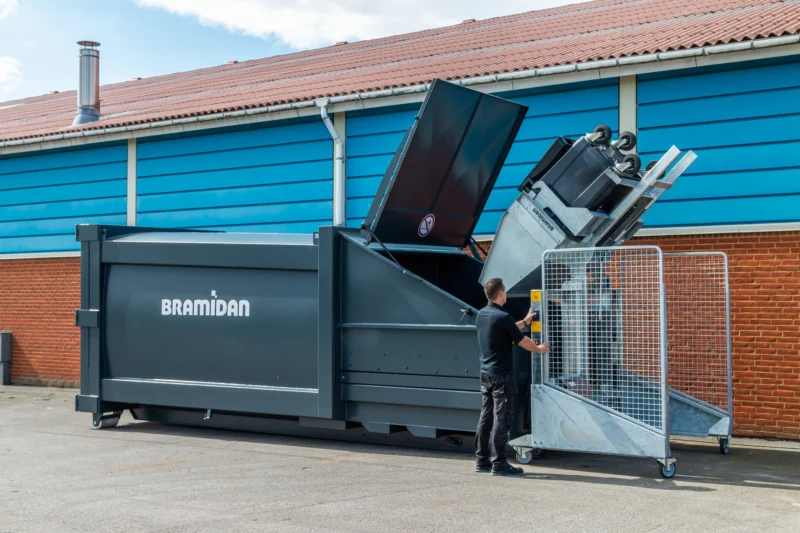
Offer superior containment, preventing leaks and unpleasant odors.
Stationary compactors:
May require additional site containment for wet or sensitive waste.
Emptying and collection process
Stationary compactors:
Only the container is exchanged – the compactor unit continues operating.
Selfcontained compactors:
The entire unit is hauled away and replaced or returned after emptying.
Optimize your waste management with the right compactor solution
Choosing the right compactor can significantly reduce your waste footprint and improve internal logistics. Both stationary and mobile compactors offer high compaction ratios, cost savings, and cleaner work environments. The ideal solution depends on your business sector, waste composition, and site layout.
Typical Industries and use cases
- Stationary compactors: Retail chains, warehouses, logistics hubs, and manufacturers generating high volumes of dry waste.
- Mobile compactors: Restaurants, supermarkets, hospitals, hotels, and food producers managing wet or mixed waste.
Compliance and operational Efficiency
By significantly reducing the volume of waste, both solutions support compliance with EU waste regulations and help streamline internal waste handling. Fewer collections mean lower transport emissions and improved cost control, while easier waste segregation makes it simpler to meet legal requirements for recycling and documentation.
Smart Monitoring with BRA-IN
Both types of compactors can be equipped with BRA-IN – Bramidan’s intelligent waste management system. BRA-IN enables remote monitoring, fill level tracking, service alerts, and optimization of pickup schedules. It helps ensure that your waste handling system operates efficiently.
Questions? Contact Us Today